
Black History Month

By Jaline Nanninga, Staff Writer
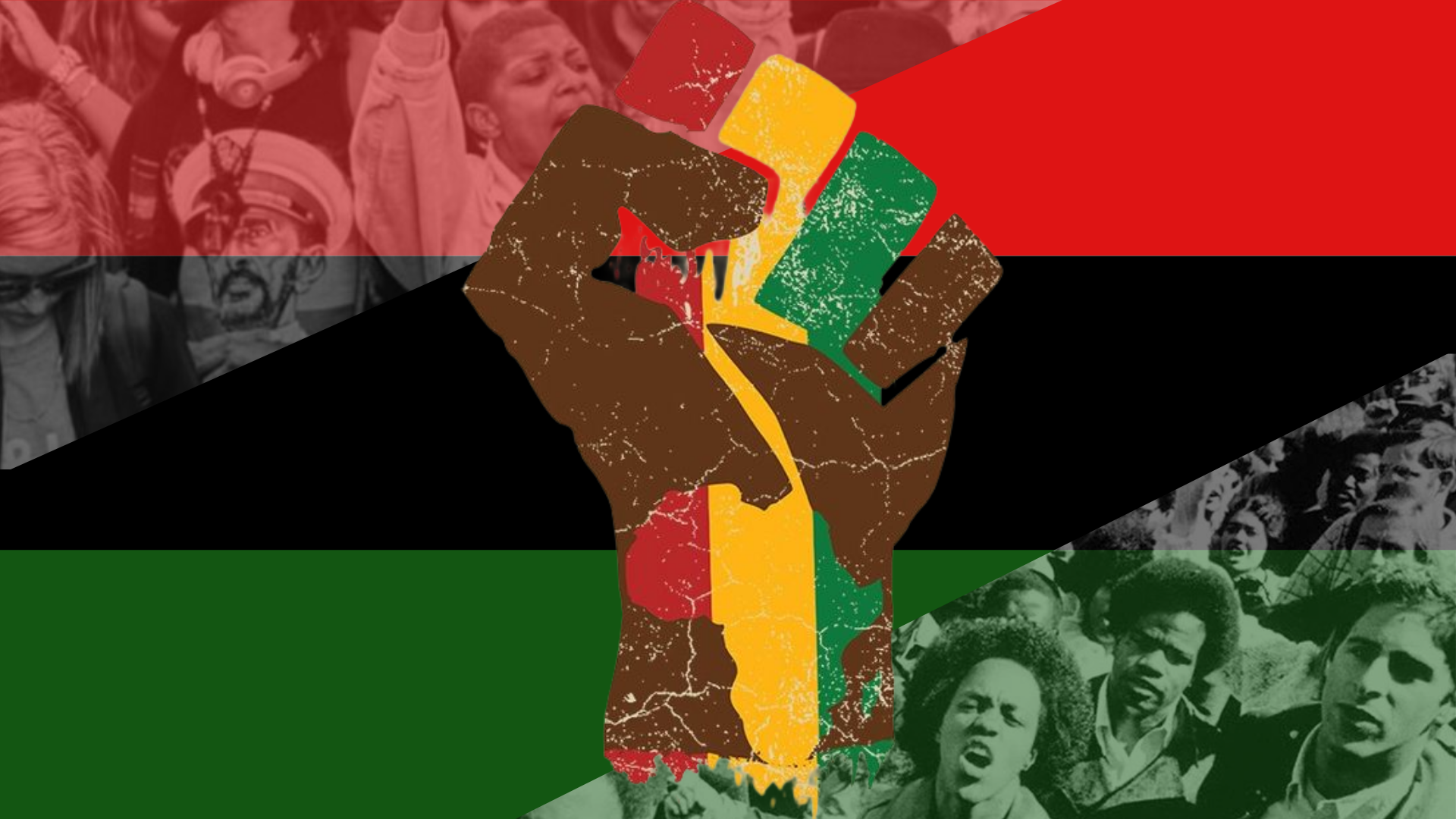
The month of February is typically associated with one thing: Valentine’s Day. However, there is an entire celebration occurring from Feb. 1-28, one that is severely overlooked and needed; a celebration of culture and history. February is Black History Month.
Black History Month is an annual celebration of African-American achievements and people that helped shape the United States. It originally started off as only a week-long celebration, called ‘Negro Week’ by historian Carter G. Woodson, but it was made official as a month-long affair in 1976 by President Gerald Ford. This year, the African-American community celebrates 100 years of Black History Month with the theme being “A Century of Black History Commemorations.”
“I think Black History Month is a good idea,” sophomore Lebron Oduor said. “I think it’s good to celebrate black people like myself, and you, and all the black people I know in my community.”
During Black History Month, all black icons of days past are celebrated, including Jackie Robinson, the first African-American to play in major league baseball; Madame C.J. Walker, an entrepreneur and the first female to become a self-made millionaire; and Ruby Bridges, one of the first African-American children to attend an all-white school during integration. We also celebrate icons of the present like Barack Obama, the first black President; Kamala Harris, the first black, Asian-American female Vice President; and Victor Glover, the first Black astronaut to complete a long-duration mission on the International Space Station.
All these icons and more are celebrated and recognized during this time, but even then do we rarely show our appreciation to them. Sure, we celebrate common icons like Dr. Martin Luther King Jr., Harriet Tubman and Rosa Parks. But when discussing black history during the month, it still gets brushed over as a minor thing or dumbed down to talk about the most prominent people we learn about. It is important that we, as a country, talk about and take the time to learn more about African-American icons and history because at the end of the day, black history is American history.
“I think it’s very good for us to be celebrated, for us to be recognized for the work done by us and in black history,” Oduor said. “In these history books we have here at school, you don’t read a lot about black history. I think it’s good for us to sometimes think about the contributions black people have made to our society.”
It’s imperative that more light and attention be shed on the month, especially for the young African-Americans of today’s world. Growing up as a black person provides its many struggles, but when February hits, so does a sense of recognition, a sense of belonging. As the appreciation and celebration of black history has seen a decline in recent years, according Amnesty International, so has that sense of belonging. While celebrations have continued in more personal ways, public recognition of the month has begun to fade. The amount of how much the month is truly celebrated can and does have an impact on our black youth.
“It has impacted me a lot to know that we have a month where I can be black and proud,” sophomore Naomi Williams said. “It also makes me feel a lot more comfortable in my own skin, so it means a lot to me.”
The KMC community itself could do more to help its students of color feel more comfortable and welcome. Things like shouting out figures that helped shape black history during morning announcements rather than just putting them up on a TV screen that nobody looks at, incorporating more lessons that are centered around historical figures of color in the curriculum, hiring more faculty of color, taking racial issues more seriously when they occur, and solely just being more aware of the diversity that KMC is built upon. Students at KMC could make an effort to learn more about their ethnic friends, their history, where they come from and how to make them feel more welcome. Our student body could also learn how to be more considerate of some of the things they say or do if it runs the risk of being offensive to people.
All walks of history deserve to be celebrated year-round. Because of black history, an unspoken precedent is set for all cultures based on how black history is celebrated. More can be done to help all people feel comfortable with their cultures and history, and it starts with this Black History Month.