
Warning: Water Bottles Cause Future Health Concerns

By Dovie Bowers | Opinions Editor
Some things last forever: family, friendship, love and microplastics. These microtoxins can create macro-sized problems; however, Kapaun Mt. Carmel’s non-clear water bottle ban directly prevents students from protecting themselves against these life-altering chemicals.
Generally, microplastics occur when plastic breaks down, forming chemicals such as bisphenol A, better known as BPA, and phthalates (PFAS). These chemicals have serious consequences, such as infertility, colon cancer or inflammatory bowel disorders, if the pieces cross into blood or brain barriers. I do not know about you, but I would rather avoid an inflamed bowel because of my water bottle.
For starters, these toxins are shown to seriously impair human development and hormones, making them detrimental to the students at KMC. According to the National Library of Medicine, studies show these additives to be endocrine-disrupting chemicals, which cause growth abnormalities, reproductive toxicity and future fertility issues, just to name a few.
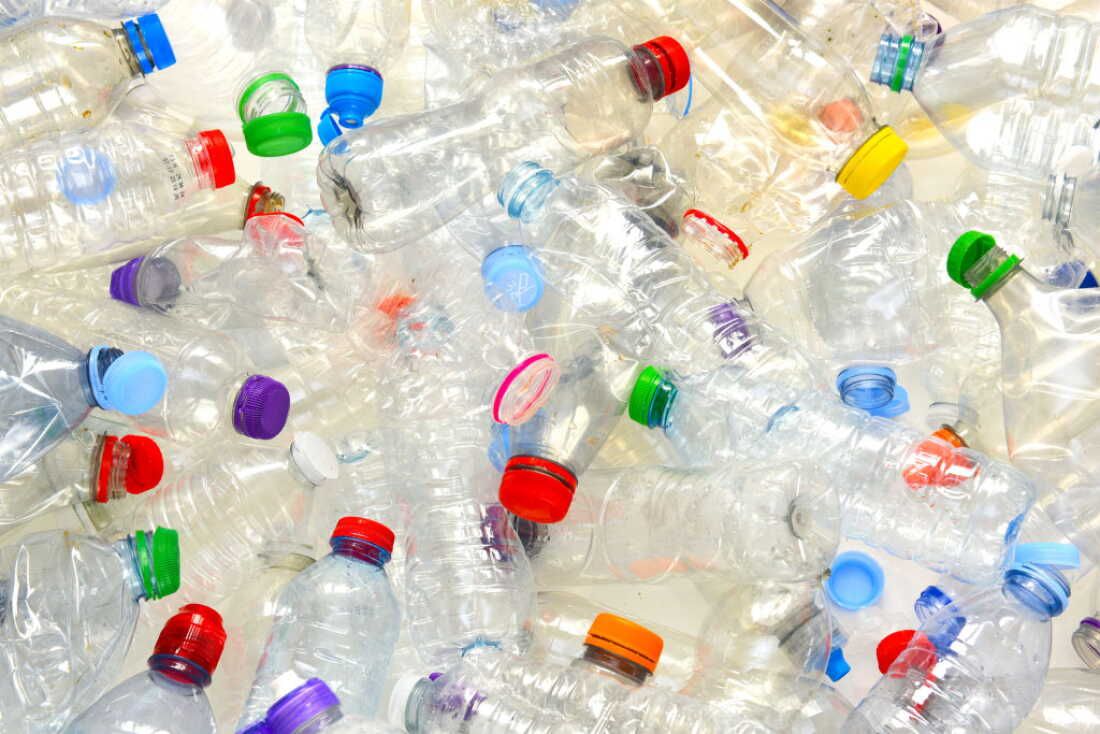
Even if our students avoided one-time use plastic water bottles, it would not eliminate the harm. Reusable, plastic water bottles do little to improve the risk, sometimes making the situation worse. Hartford Healthcare Medical Group clearly advises to avoid leaving plastic exposed to the sun because it causes the material to break down even more. Yet, high school students leave their clear, plastic water bottles in the heat during practice, causing their water to be infested with chemicals by the time they swallow their first gulp.
This non-clear bottle ban is supposed to ensure students only bring water and are not hiding any unsafe items in their bottle, but this rule clearly fails at both of these goals.
For instance, students consume beverages other than water at school frequently, and no rule can stop the coffee lovers of this world, myself included. Believe me, where there is the will of a sleep-deprived teenager, there is a way. Just look around, teachers and students alike are sipping some form of brain juice at all times during school. In fact, out of my CAP alone, 42 percent of people had already brought some beverage other than water into school before 11 o'clock. Therefore, this non-clear bottle ban does nothing to make caffeine junkies go cold-turkey by not bringing other beverages into school.
Furthermore, the ban is supposed to stop students from taking contraband into school, yet I can name a dozen other places to hide items other than an aluminum water bottle, such as a lunch box, purse, locker, backpack or even a boy’s poofy hair. The school cannot take away all opportunities for disobedience, but they can punish it. Instead, there should be harsher consequences for the event of a student taking contraband into school, not broad rules stripping away the choice to protect ourselves from permanent chemicals.
In fact, the plastic water bottles reached for by many high schoolers are proven to contain these harmful microplastics. According to Ord Media, there are an average of 162 plastic particles per bottled water, with that number increasing if the bottle was exposed to the sun or stored for an extended period of time. Furthermore, the brands with the highest amounts of plastic found were Nestle Pure Life, Evian and Aquafina, which you have definitely seen in the hands of growing teens.
I have to wonder how four years of drinking plastic particles during high school will affect me later down the road; I just hope I do not find out the hard way. Growth disruption, fertility issues and colon cancer are not worth an unnecessary rule. KMC must acknowledge the harm of our non-clear water bottle ban. Our future depends on it.